Step 1: Map the task geometry
- Is the target directly overhead or offset?
- What is the exact platform height needed?
- Are there obstacles that require up-and-over motion? If the platform can sit under the work on smooth concrete, see /electric-scissor-lift-rental/. For exterior vertical work on unfinished ground, see /rough-terrain-scissor-lift-rental/.
Scissor lifts in Greensboro
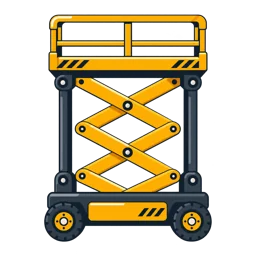
Electric slab models favor climate-controlled warehouses and commercial interiors where non-marking tires and compact widths matter. Rough-terrain scissors support exterior installs on mixed surfaces influenced by Piedmont clay and periodic rain. Vertical deck space suits tasks needing parts and tools at hand.
Boom lifts: articulating vs. telescopic
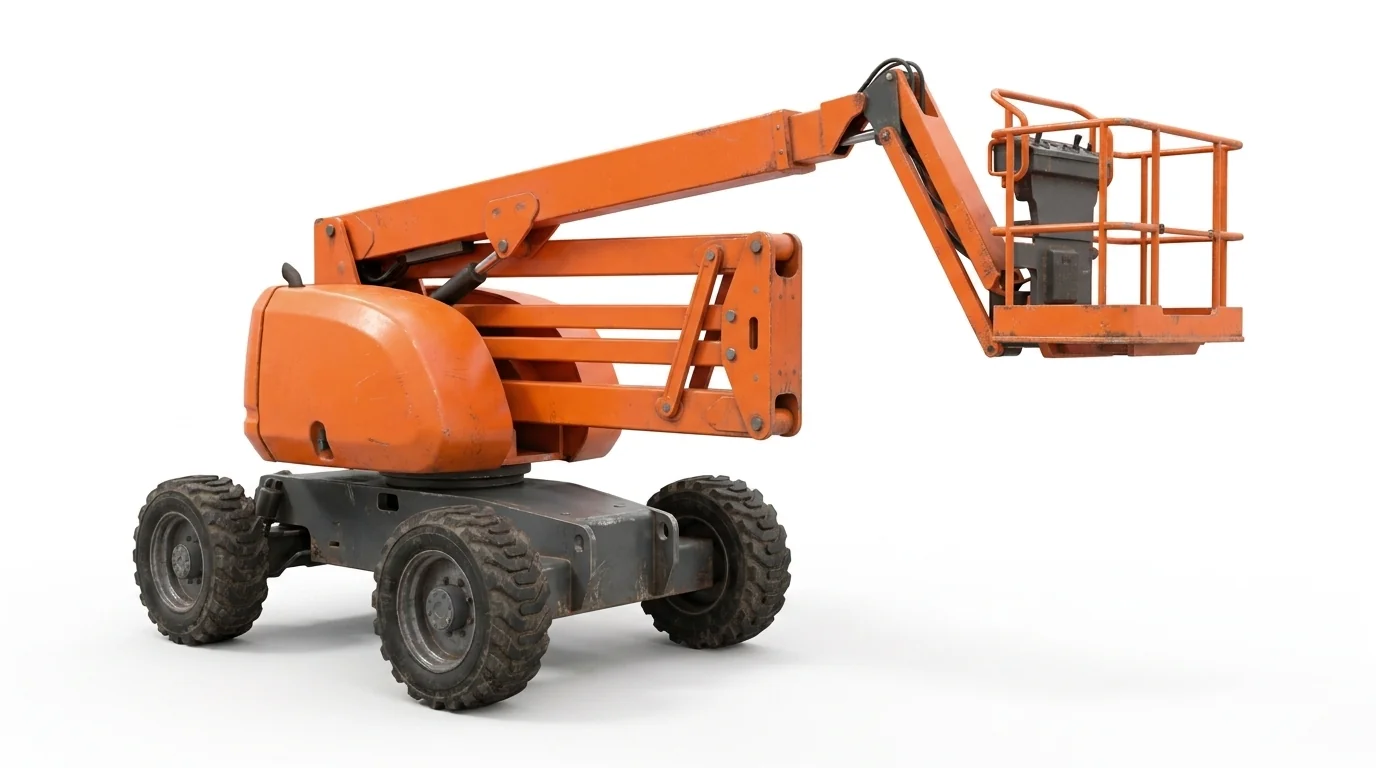
When the work sits beyond conveyors, pipe runs, or building setbacks, boom lifts provide horizontal reach. - Articulating booms navigate up-and-over paths with multiple joints, useful around crowded equipment or architectural features. - Telescopic (straight) booms prioritize maximum outreach and faster positioning across open pads. Compare detailed considerations at /boom-lift-rental/.
Local factors that change the call
- Indoor aisles and dock turns push toward narrow, tight-turning electrics with careful stowed-height checks.
- Exterior pads and graded areas may soften after storms; travel lanes and stabilization points should be confirmed before committing to size and weight.
- Mixed-scope work often benefits from pairing a compact scissor for interiors with a boom or rough-terrain unit outside.
Quick reference by environment
- Level concrete, task overhead: electric scissor
- Unfinished ground, task overhead: rough-terrain scissor
- Obstructed or set-back tasks: articulating or telescopic boom